Investing
The Warsh Era: Inflation Hits 3.8% Just as a New Fed Chair Takes Over
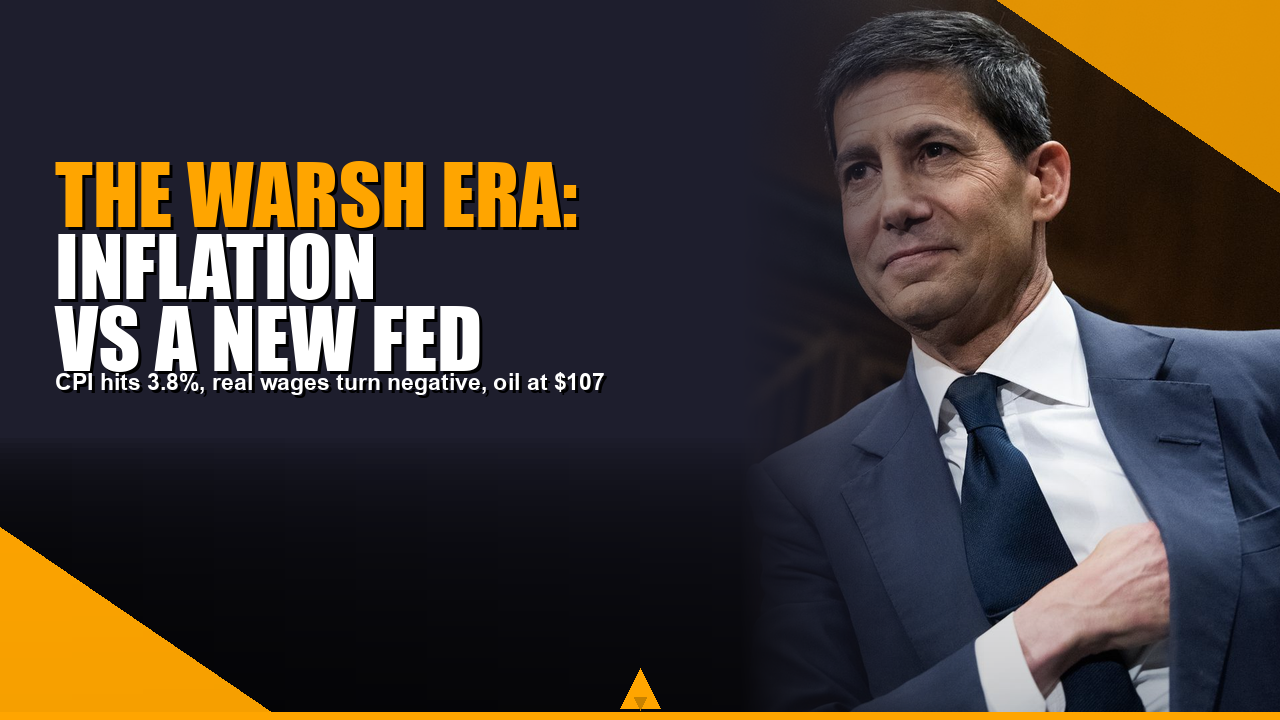
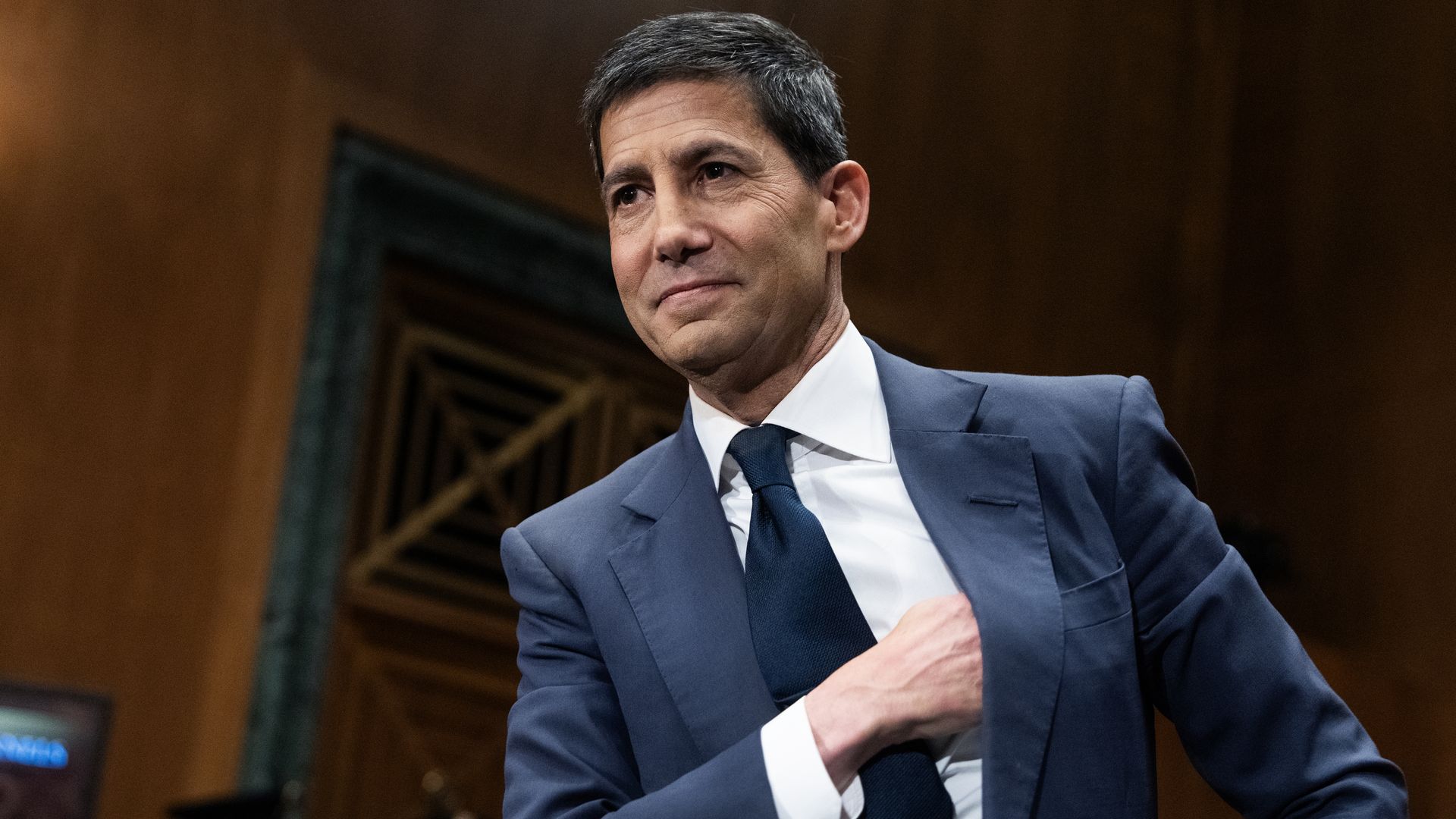
Today, Friday May 15, is Jerome Powell's last day at the Federal Reserve. On Monday, Kevin Warsh walks into the Eccles Building as the new Chair, confirmed by the Senate on Wednesday in a tight 54-45 vote. He inherits the most awkward set of numbers any Fed chief has faced in a decade: inflation running at 3.8% and accelerating, real wages falling, an oil war that just sent crude up 40% in eleven weeks, and a White House that publicly wants rate cuts now.
The market spent most of 2026 pricing in lower rates the minute Powell stepped aside. This week, that bet started to look very, very crowded. Here is what changed, and what every retail investor needs to internalize before the next FOMC meeting in mid-June.
The CPI That Changed the Conversation
On Tuesday morning, the April Consumer Price Index landed hot. Headline CPI rose 0.6% month-over-month and 3.8% year-over-year, the highest annual reading since May 2023. Core CPI (excluding food and energy) accelerated too. Economists had been expecting 3.7%. We came in at 3.8%. A tenth of a point sounds trivial, but the direction is what matters: this is the second consecutive month of acceleration after eight months of slow disinflation.
Energy did most of the damage. Energy prices jumped 3.8% in a single month and are up 17.9% over the last year. Gasoline alone is up 28.4% year-over-year and rose another large amount in April. Grocery prices posted their biggest monthly increase since August 2022 at 0.7%, partly on input costs and partly on shipping. Apparel, sensitive to tariffs, climbed 0.6%. Airline tickets are up 20.7% over the past twelve months.
The single most under-reported line in the report: real average hourly earnings fell 0.5% for the month and are down 0.3% year-over-year. For the first time in over a year, the typical American worker is losing ground to inflation. That is the data point that should make every income investor and every consumer-discretionary holder sit up.
Why Warsh Cannot Just Cut
President Trump has been very public about what he wants. He wants rates lower, fast. He has said so directly. He picked Warsh in part because Warsh has been a long-time critic of Fed bond-buying and is seen as more market-friendly. Wall Street, for most of 2026, has taken the next step in that logic: Powell out means cuts coming.
But Warsh inherited a much harder hand than the market wants to admit. The April FOMC meeting saw four dissents, the most since 1992. The committee is split. Inflation is rising, not falling. The Iran war has pushed Brent crude to $107.77 and West Texas Intermediate to $102.18, with both up roughly 40% since the conflict began on February 28. Cutting rates into accelerating inflation and a supply-side energy shock would do two things: it would weaken the dollar, which raises imported energy costs even more, and it would tell the bond market that the Fed has abandoned its 2% target.
Warsh has said publicly he never promised the White House any specific path. His commentary over the last year, including pieces in Barron's, has emphasized credibility, balance-sheet discipline, and patience. The most likely scenario for June and July is not the dramatic cut that rate-sensitive stocks have been rallying on. It is a hold, with hawkish language about being data-dependent.

Cisco Showed Us the New Game
While the macro noise dominated headlines, Cisco quietly reported one of the most important earnings prints of the quarter on Wednesday night. Revenue hit a record $15.8 billion, up 12% year-over-year. GAAP EPS of $0.85 was up 37%. Non-GAAP gross margin came in at 66%. Management called demand "broad-based and record high."
Then, in the same release, Cisco announced it is cutting roughly 4,000 jobs, about 5% of the workforce, to free up capital for AI infrastructure investment. The stock surged 15% the next day. Think about what that move tells you. The market is rewarding profitable companies that fire to invest in AI capacity, not because they have to, but because they choose to.
This is the second derivative of the AI capex story we have been tracking since March. Microsoft, Google, Meta, and Amazon spend the headline numbers. But the second layer is the networking, switching, optical, and security suppliers who actually wire up the new data centers. Cisco, Arista, Vertiv, and a handful of others. For retail investors who have been waiting for an entry point into AI infrastructure without paying 40 times forward earnings for Nvidia, this category is finally getting traction.
The Retail Sales Tell on the Consumer
Thursday's April retail sales report rose 0.5% month-over-month, the third straight monthly increase. On the surface, that looks good. Beneath the surface, it is misleading. Gas station sales jumped sharply on higher prices. Auto sales were soft. Discretionary categories, including restaurants and apparel, were mixed. Strip out gasoline and the trend is much flatter.
That is the consumer story right now. Americans are not spending more in real terms. They are paying more at the pump and the grocery store, and they are trimming elsewhere. Consumer discretionary names are going to feel that in Q2, particularly the mid-market restaurants, apparel retailers, and home-improvement chains. Walmart reports Q1 next Thursday, May 21. That print will be the cleanest read we have on whether the trade-down trend is accelerating.

Five Lessons for Your Portfolio
Here is what I want every Next Level student to walk away with from this week's data:
1. Stop assuming a new chair means new policy. Powell hiked into Trump pressure for two years and held even longer. Warsh is different but not opposite. The job has a personality of its own, and the FOMC is a committee. Position for a slower cutting cycle than the market still hopes for.
2. Real wages going negative is a recession risk indicator. When workers lose purchasing power, they cut discretionary spending first, then they cut staples. Watch consumer-discretionary balance sheets carefully over the next two quarters.
3. Oil is now a portfolio hedge again. The relationship between energy prices, inflation, and rates has tightened. Owning a small allocation to integrated oil majors or energy ETFs has worked beautifully in 2026 and is unlikely to stop until the Iran war does.
4. AI infrastructure is broader than chips. Cisco's quarter is the proof. Networking and power equipment suppliers are now part of the trade. Diversifying within the theme reduces single-name risk without giving up the secular tailwind.
5. Gold stays in the portfolio. At $4,695 per ounce mid-week, gold is doing exactly what it is supposed to: holding value when the dollar is being pulled in two directions by inflation and political pressure on the Fed. This is not the time to take that hedge off.
Week Ahead
Next week brings Walmart and Home Depot earnings, NVIDIA in two weeks, the May FOMC minutes, and likely the first market-moving comments from Warsh as Chair. The June 16-17 FOMC meeting is now the swing factor. If the dot plot shows the committee actually pulling back the number of expected cuts for 2026, rate-sensitive sectors are going to revalue lower.
Stay diversified across themes. Trim the most rate-sensitive names if you have outsized exposure. Keep your energy and gold hedges in place. And read the FOMC statement language, not the headlines about it. The difference between "patient" and "data-dependent" matters more than any one CPI print.
If you want to discuss this week's setup with other investors, learn the frameworks we use to read FOMC statements, and get our weekly portfolio walkthrough, join us on Telegram: https://t.me/+6VRTM83FVqEwZDll
Together, Next Level.